[ S T A T E M E N T ]
It is impossible to give a true Artist’s Statement, in this case, because the artist left us on August 25th, 2024, at the age of 87 years. But we can at least start and end with direct quotes from him and try to describe the driving forces behind his work.
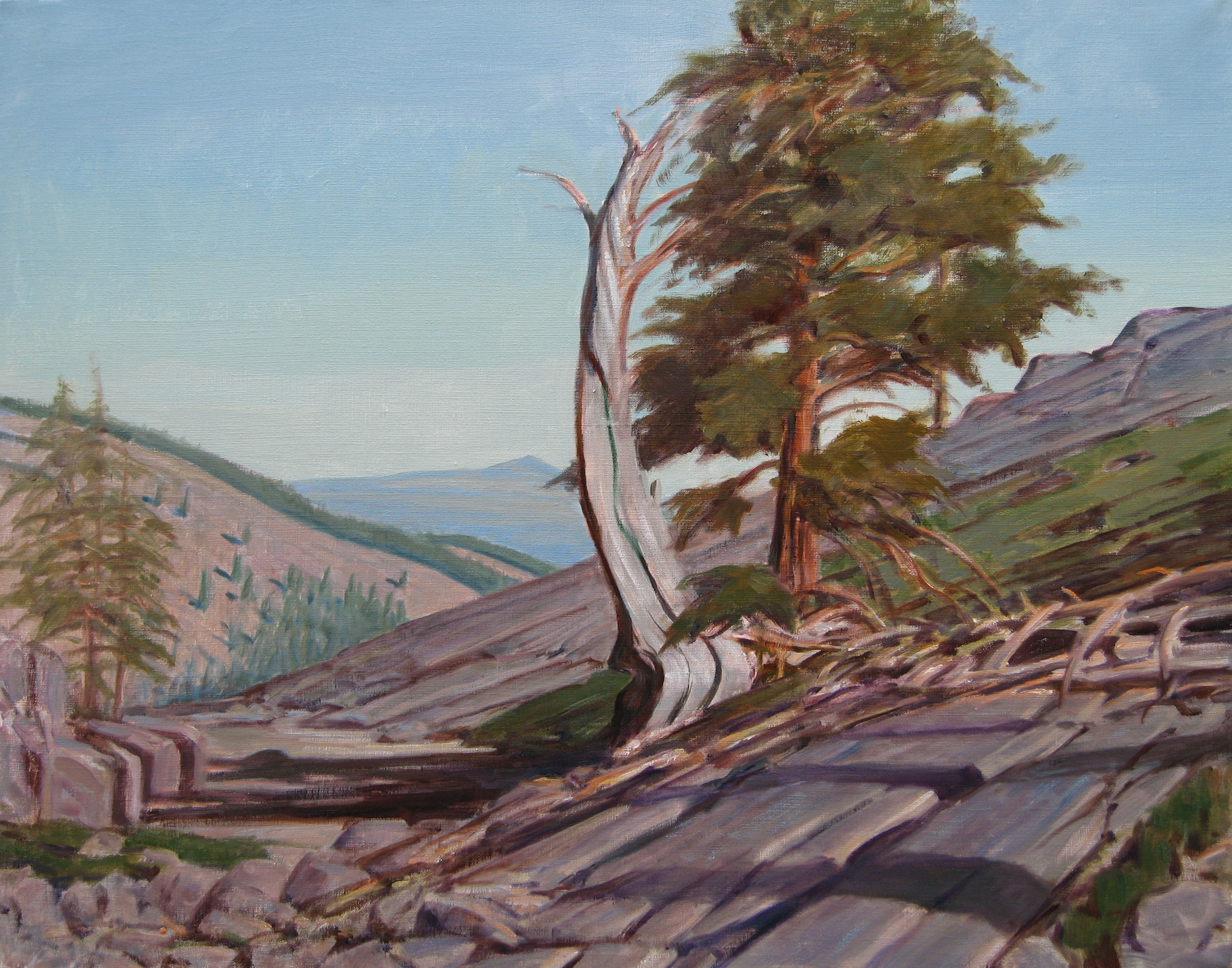
Earl Jones was featured in Phillips Gallery’s inaugural exhibition in 1965 along with close friends Denis Phillips and Tony Smith. It was the first exhibit in the first commercial gallery in the State of Utah. His relationship with Phillips Gallery has been the ongoing central locus of his public representation for more than 61 years,
And is a bond that has proven indissoluble.
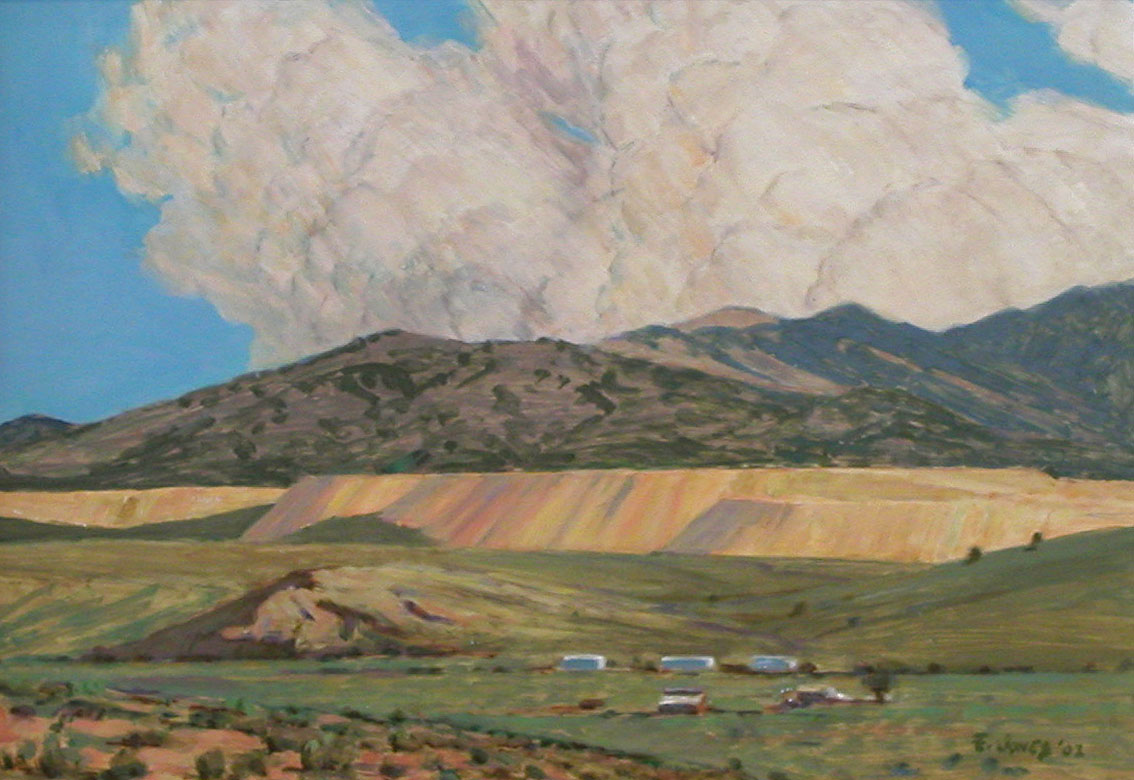
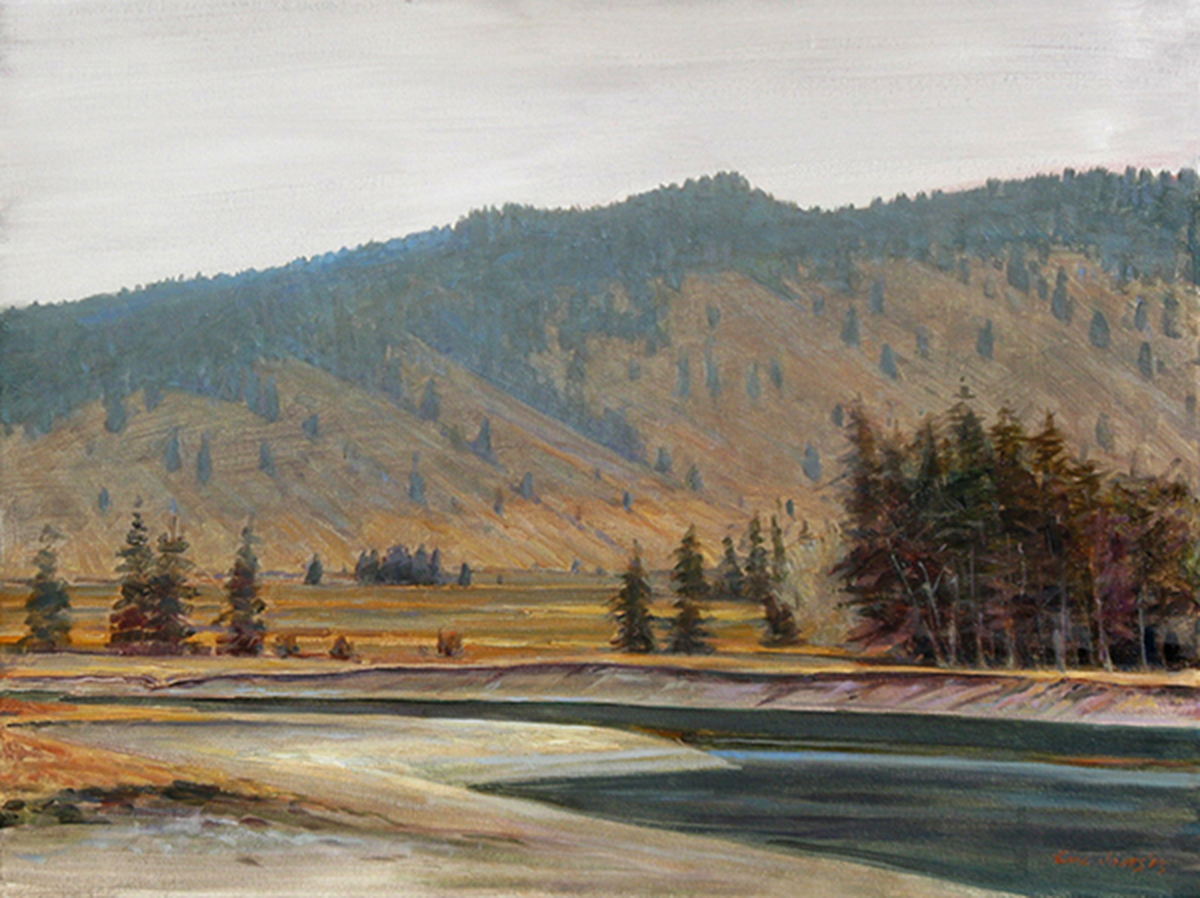
This is a unique show in that the pieces displayed represent a 53-year span of his career, dating back to 1973. He finished over 1,000 works in his professional life. More than 95% of those have been sold and are out in the world somewhere. Twenty-two are in the permanent collection of the Utah Museum of Fine Arts. Many more are on permanent exhibit in public, commercial and academic spaces and other museums, not to suggest that what is left is “the bottom of the barrel”. Quite the contrary. In addition to the gallery’s strong inventory, a few are re-acquisitions while others have been newly released from his estate. They remind us, as important and exemplary period pieces, of the long trajectory of his career. The selection of works is no longer compelled by the long-standing priority to show cutting-edge recent work. The historical body of his work is now complete, and this exhibit reflects that fact.
It is easy to forget that he did not dedicate himself to plein-air landscape painting until after he left the faculty of the University of Utah in 1969, at the age of 32. Suddenly, two painters whom he had long been aware of (and one of whom he came to know well personally) became very important to him in shaping his style: Maynard Dixon and Leconte Stewart. He had already honed his skills with the figure and portraiture under the mentorship of Alvin Gittens at the University of Utah, and later, Joseph Hirsch at the Art Student’s League in New York. Interestingly, his newfound focus on the (mostly) local landscape was both a deeply political as well as a personal choice. He was committed to delineating the ties that bound him to his forbearers, and to his family’s struggles across generations. He found these most accessible in the surrounding landscape to which he had long been linked. (Of course, he also found it in the many people he painted.)
[ S T A T E M E N T ]
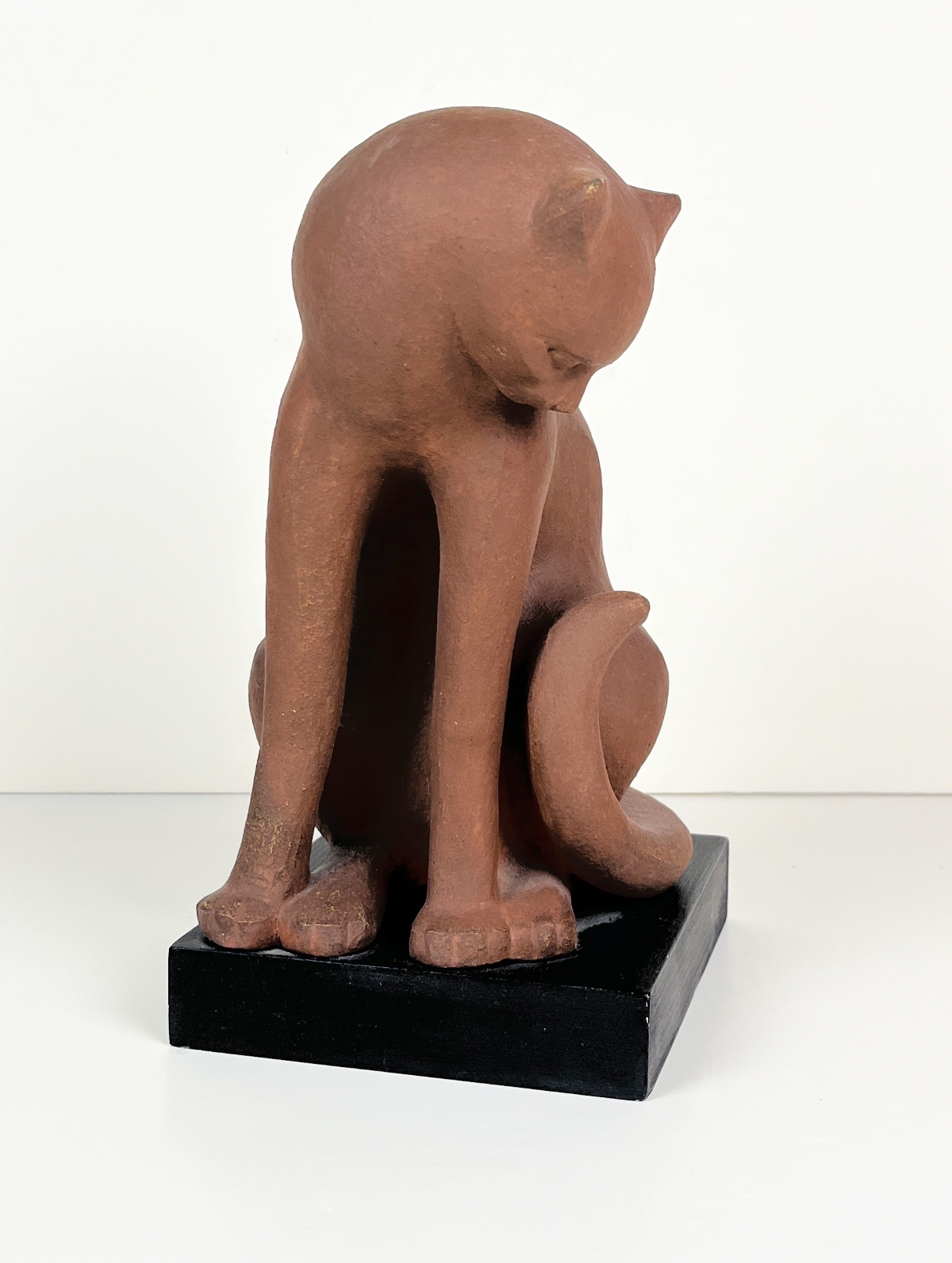
“As a sculptor, my concern is for form,” Larry Elsner wrote in 1977, “a maddening search for the unity of space and mass.” An Idaho native and longtime Utah State University professor, Elsner would always choose form over function, regardless of the medium in which he was working: bronze, clay, metal, stone, plaster, or wood.
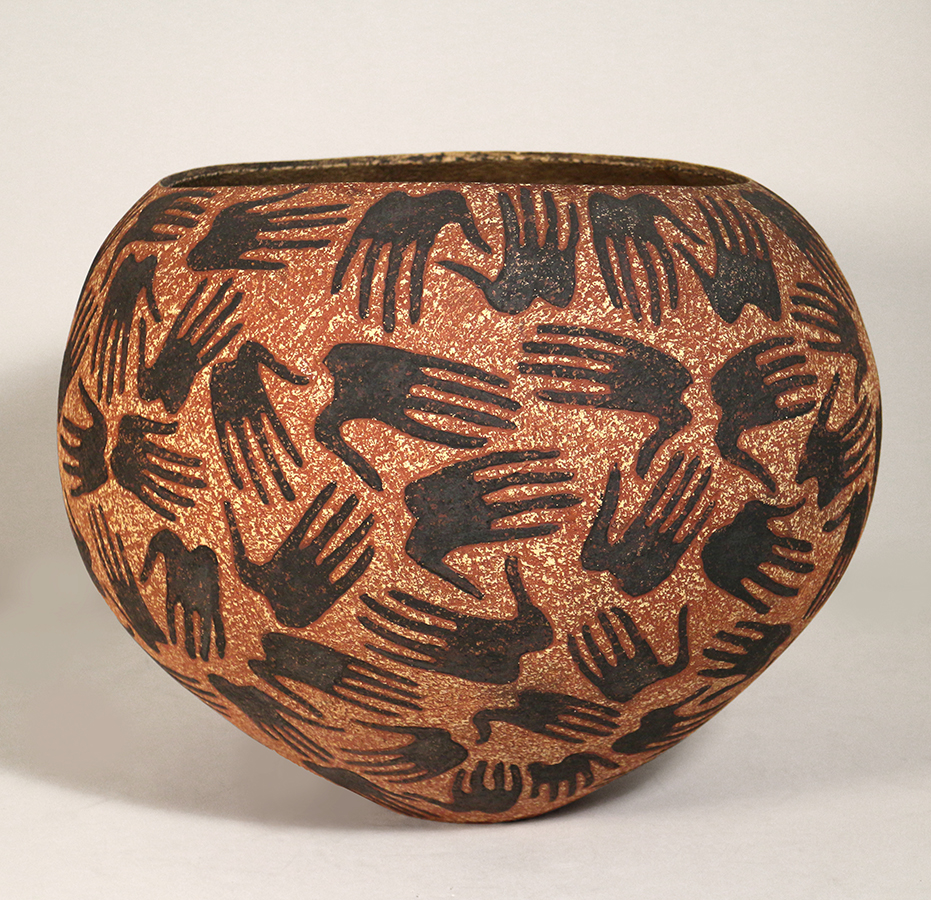
Elsner died suddenly 34 years ago, on March 27, 1990, at the age of 59. At the time of his death, more than 700 pieces were collected from the Southwest to the Orient to be sorted and selected for a major 1992 retrospective at the Nora Eccles Harrison Museum in Logan. Since then, little of his work has been seen in public. But as part of Phillips Gallery’s 50th anniversary exhibition, his sometimes humorous Asian-influenced modernist ceramic sculptures will be paired with Denis Phillips’ abstract hard-edge paintings. “Who else could I pair Denis with?” says gallery director Meri DeCaria, about planning the exhibit. “They are both from the same era and sort of ‘try anything’/experimental types.” Elsner’s works, she says, are “at once serious and playful but mostly they are achingly desirable.”
[ S T A T E M E N T ]
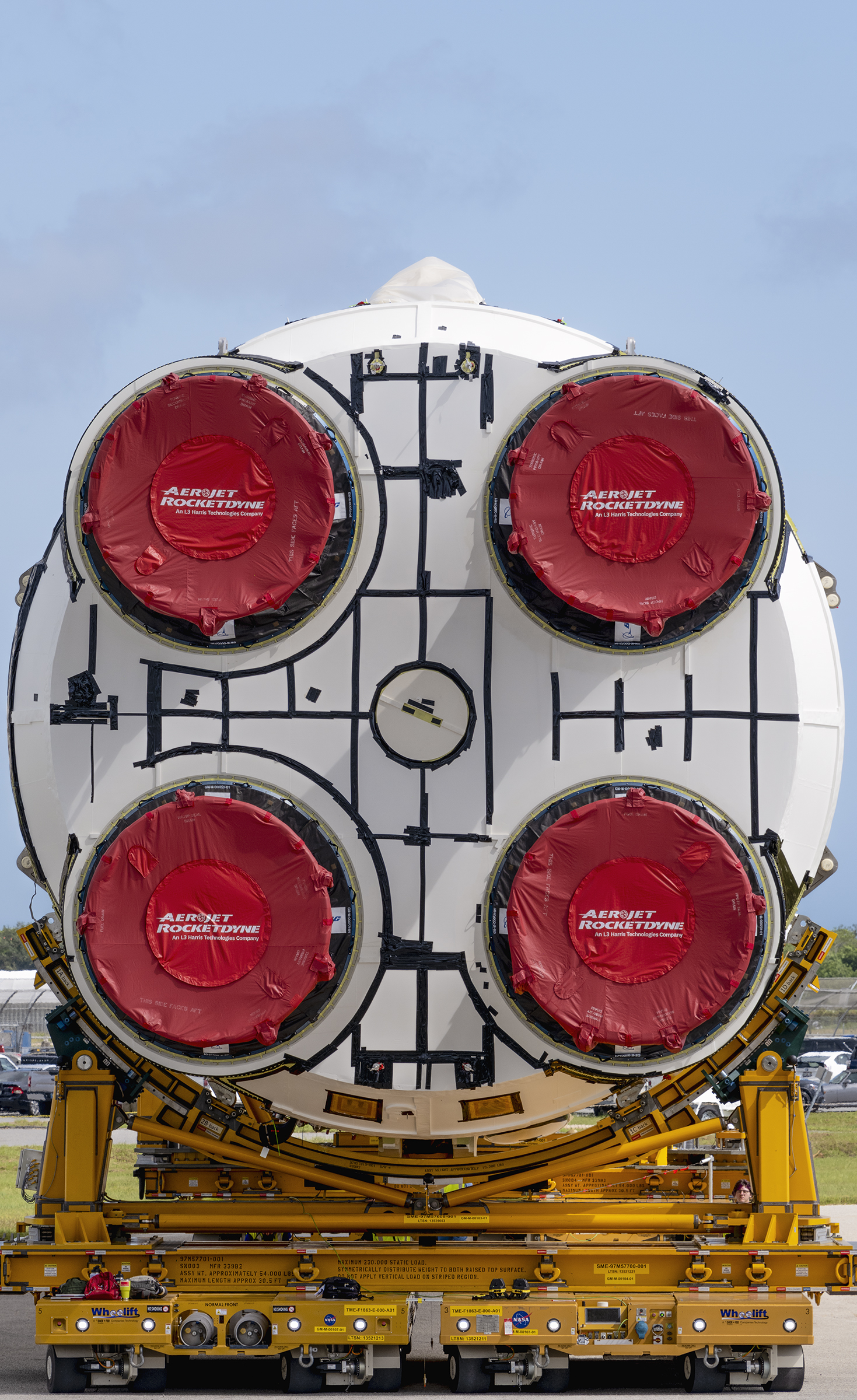
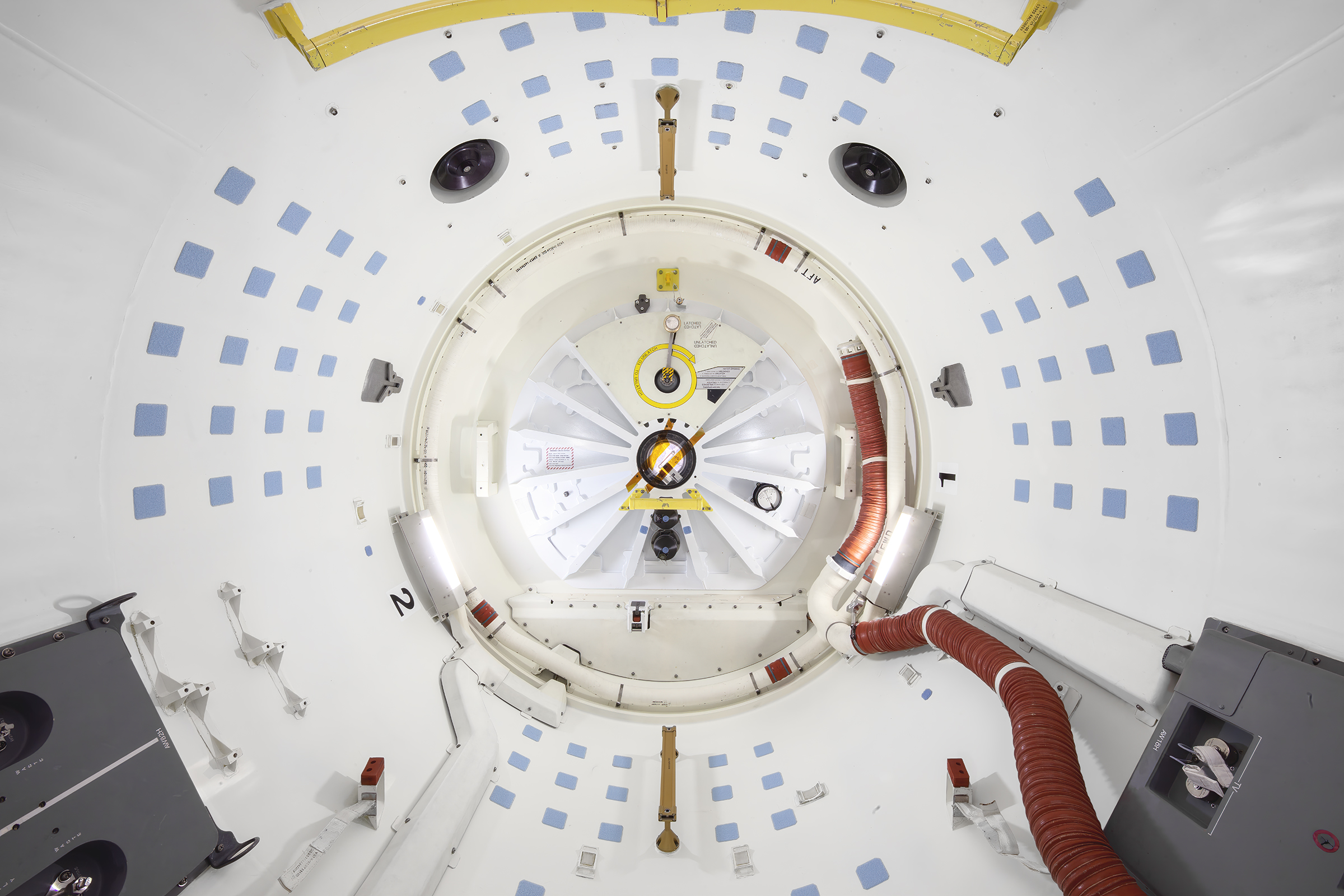
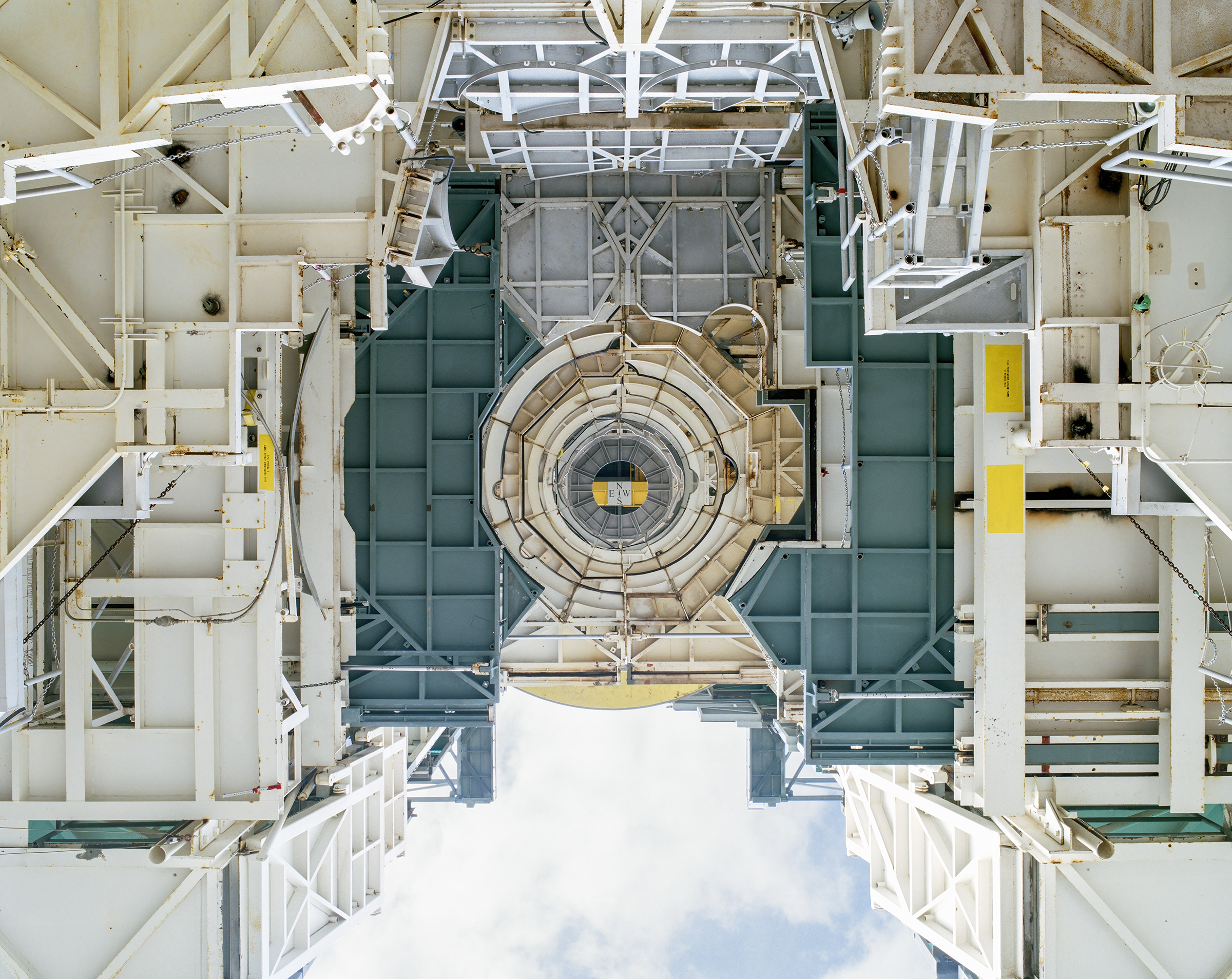
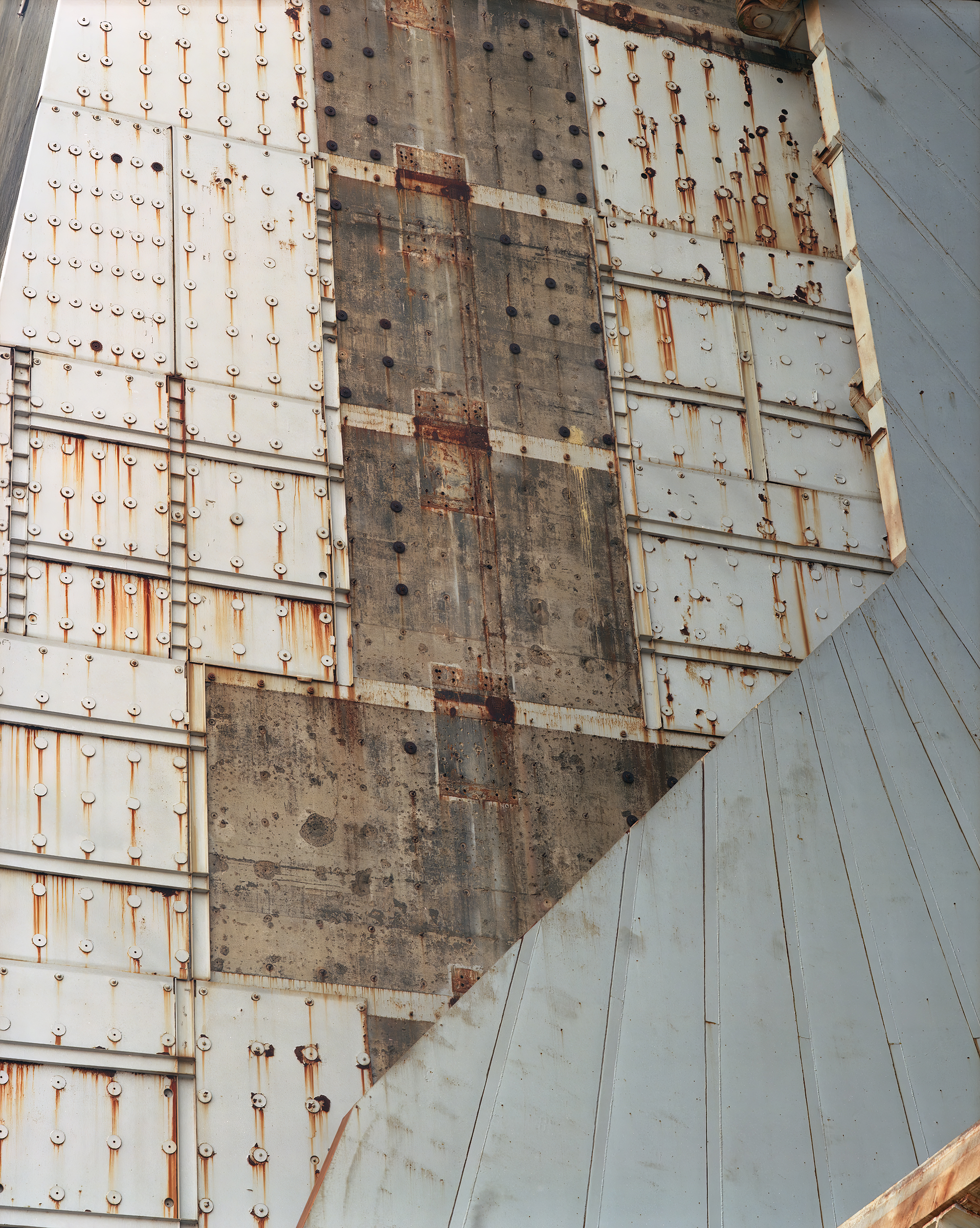
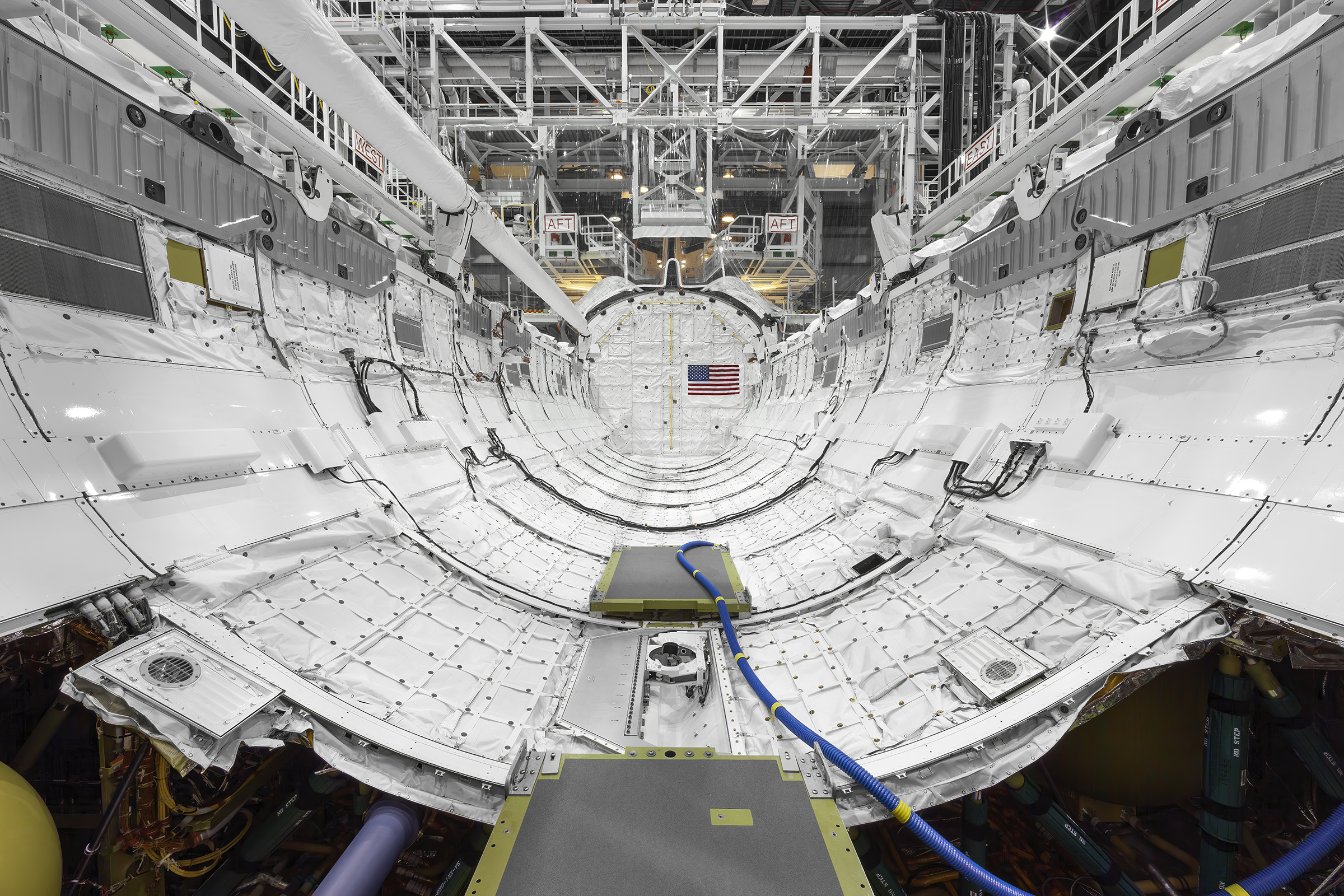
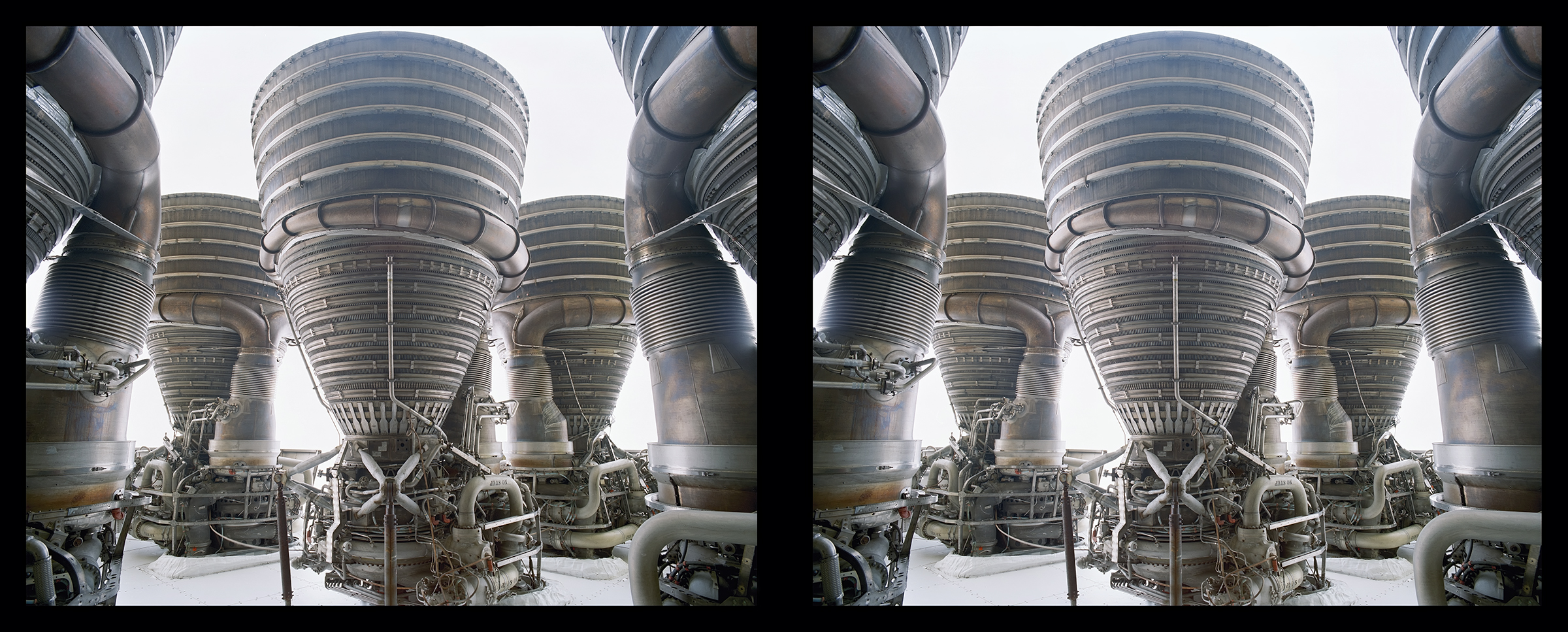
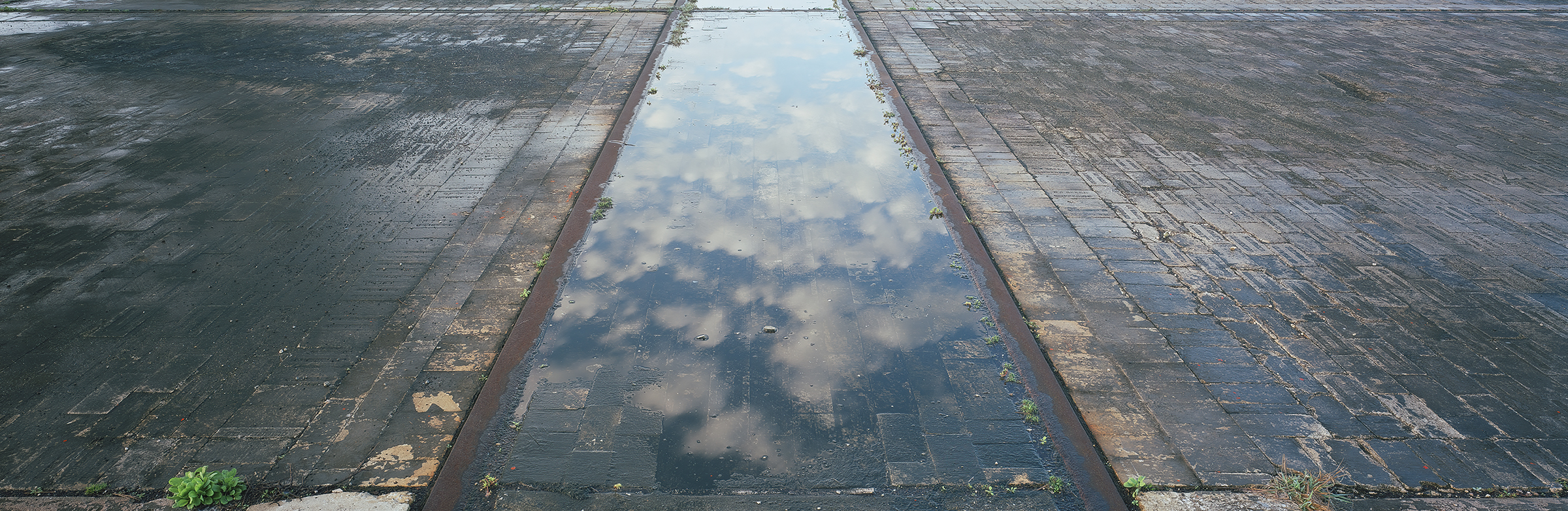
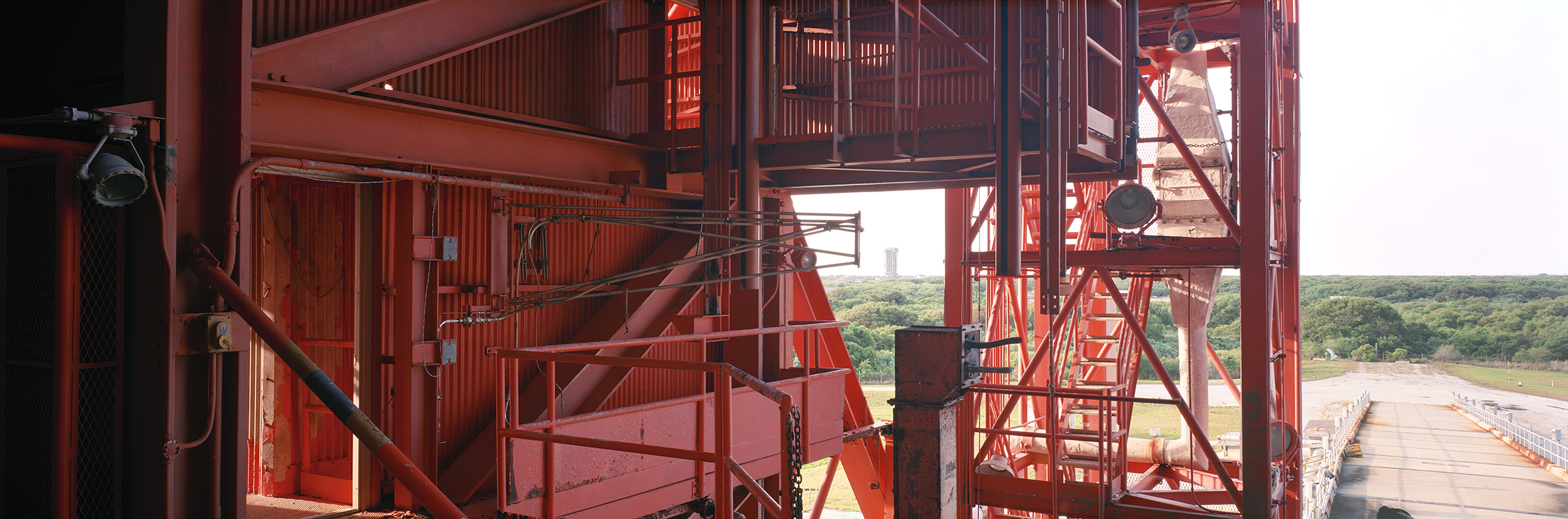
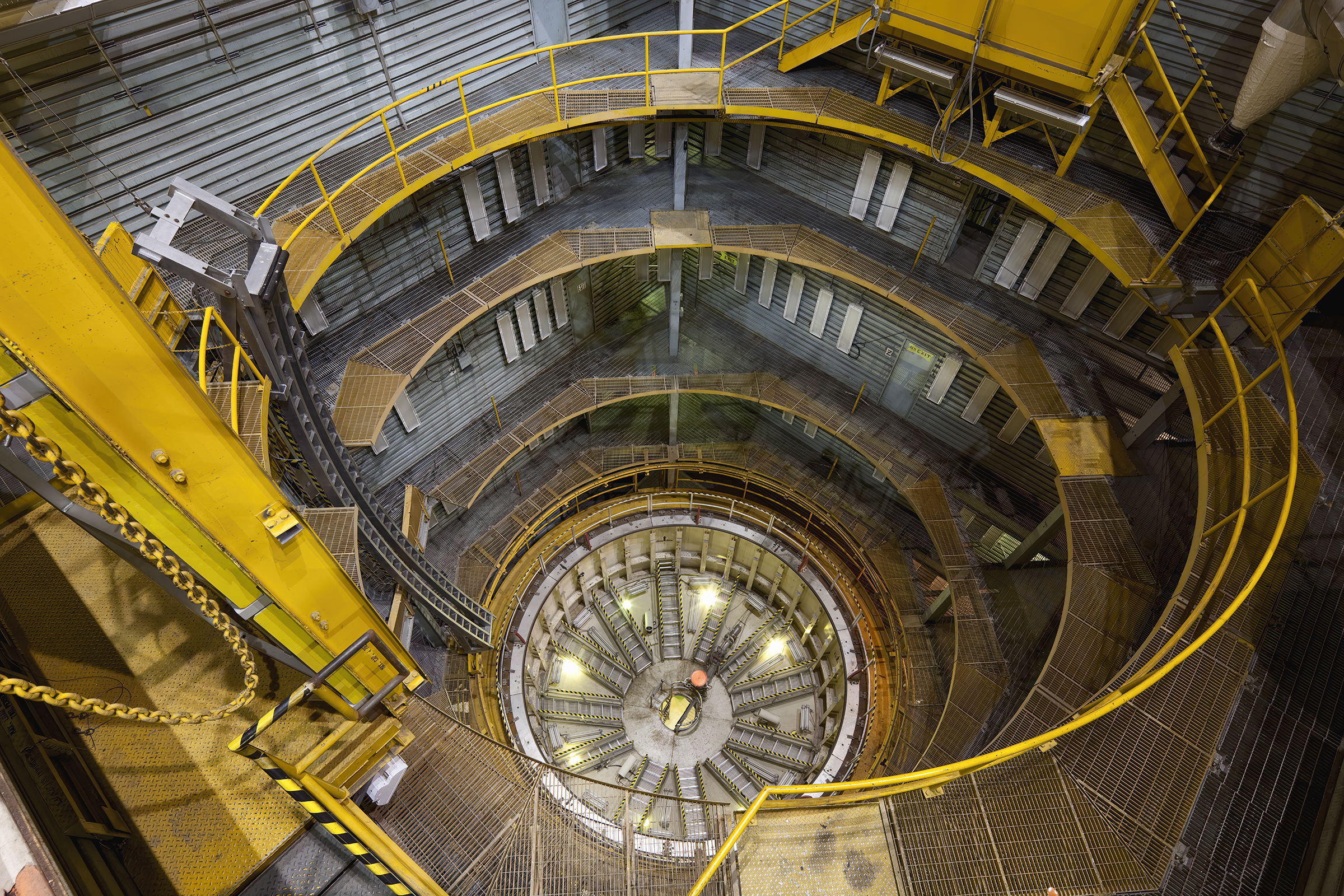
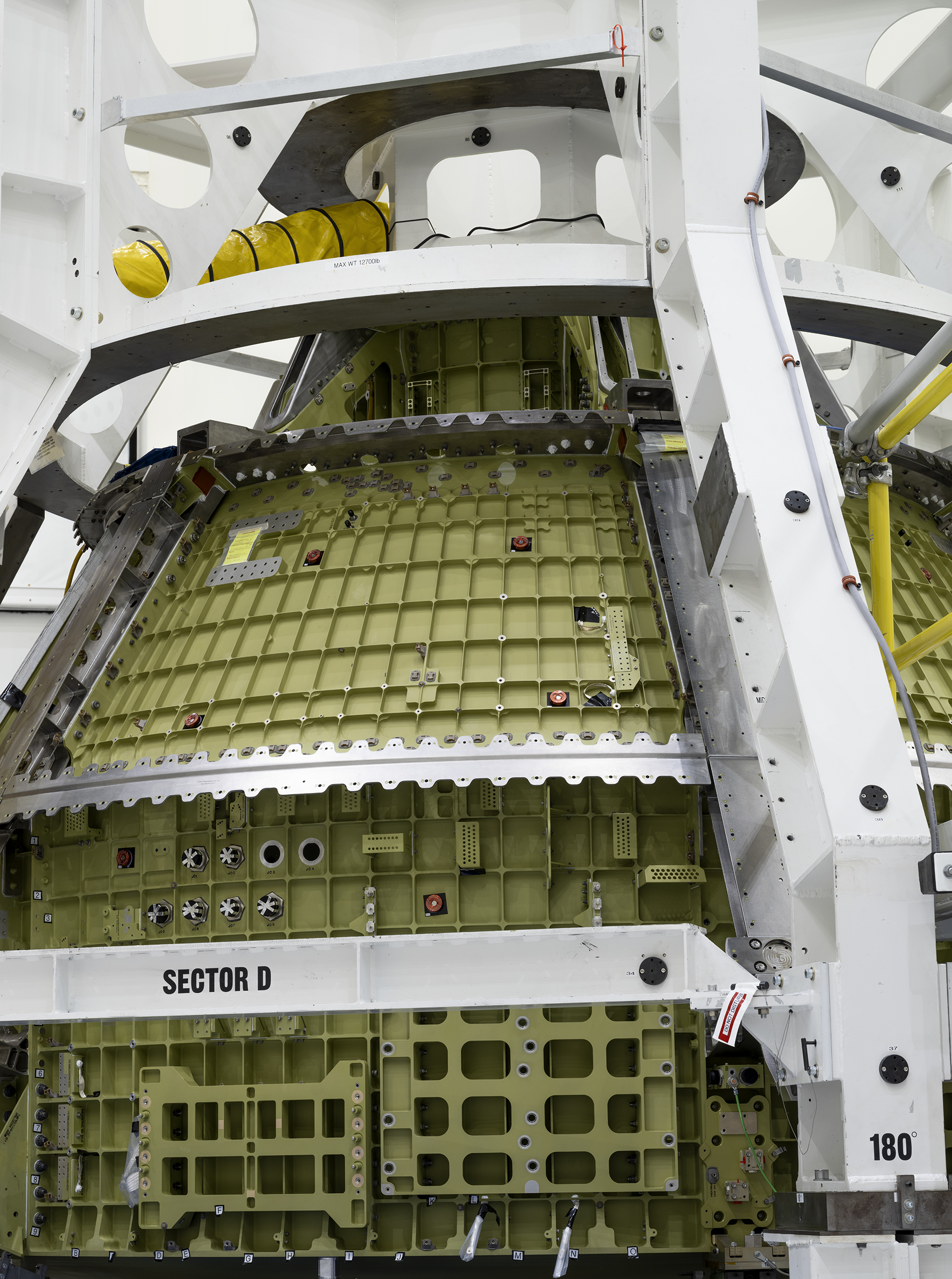
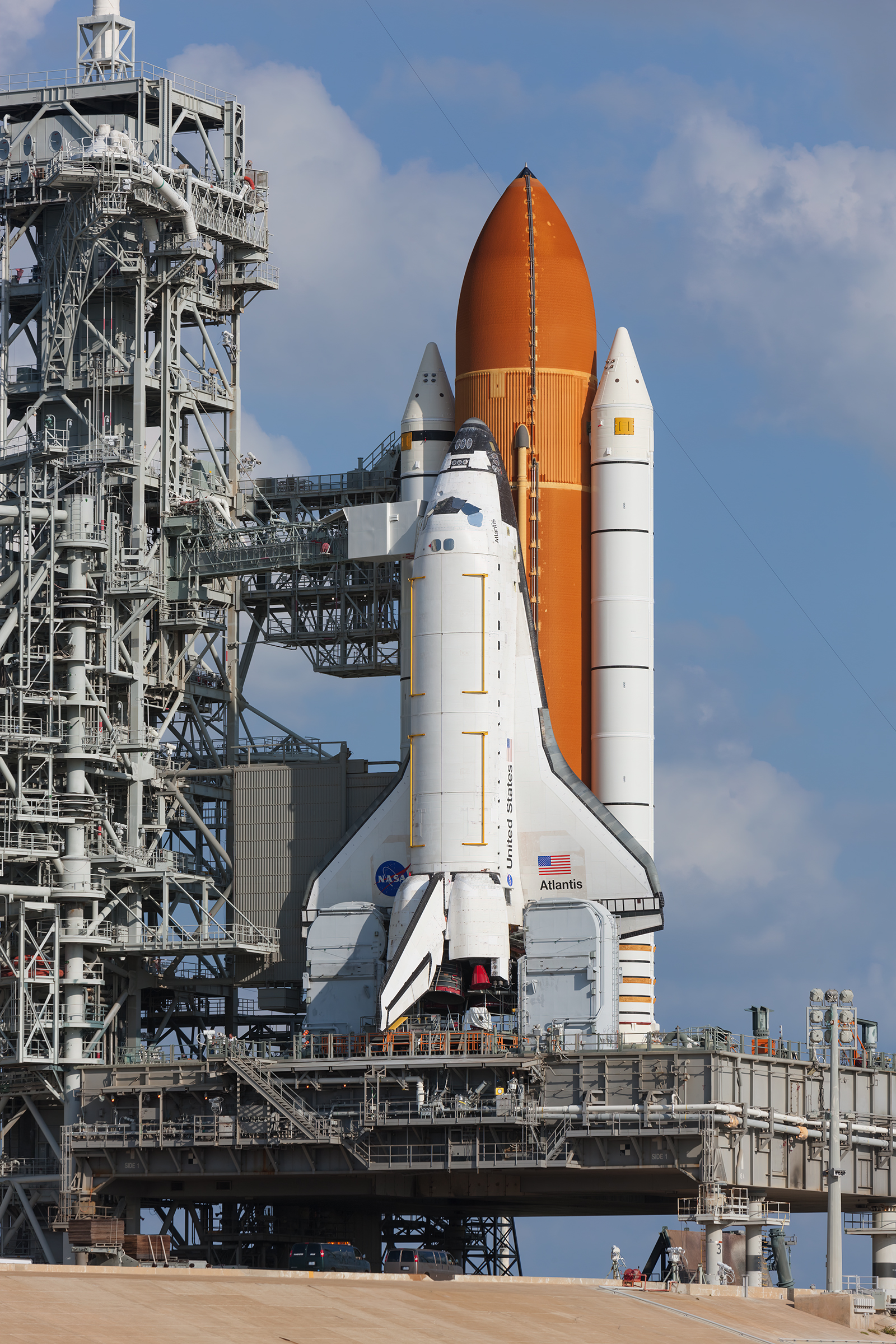
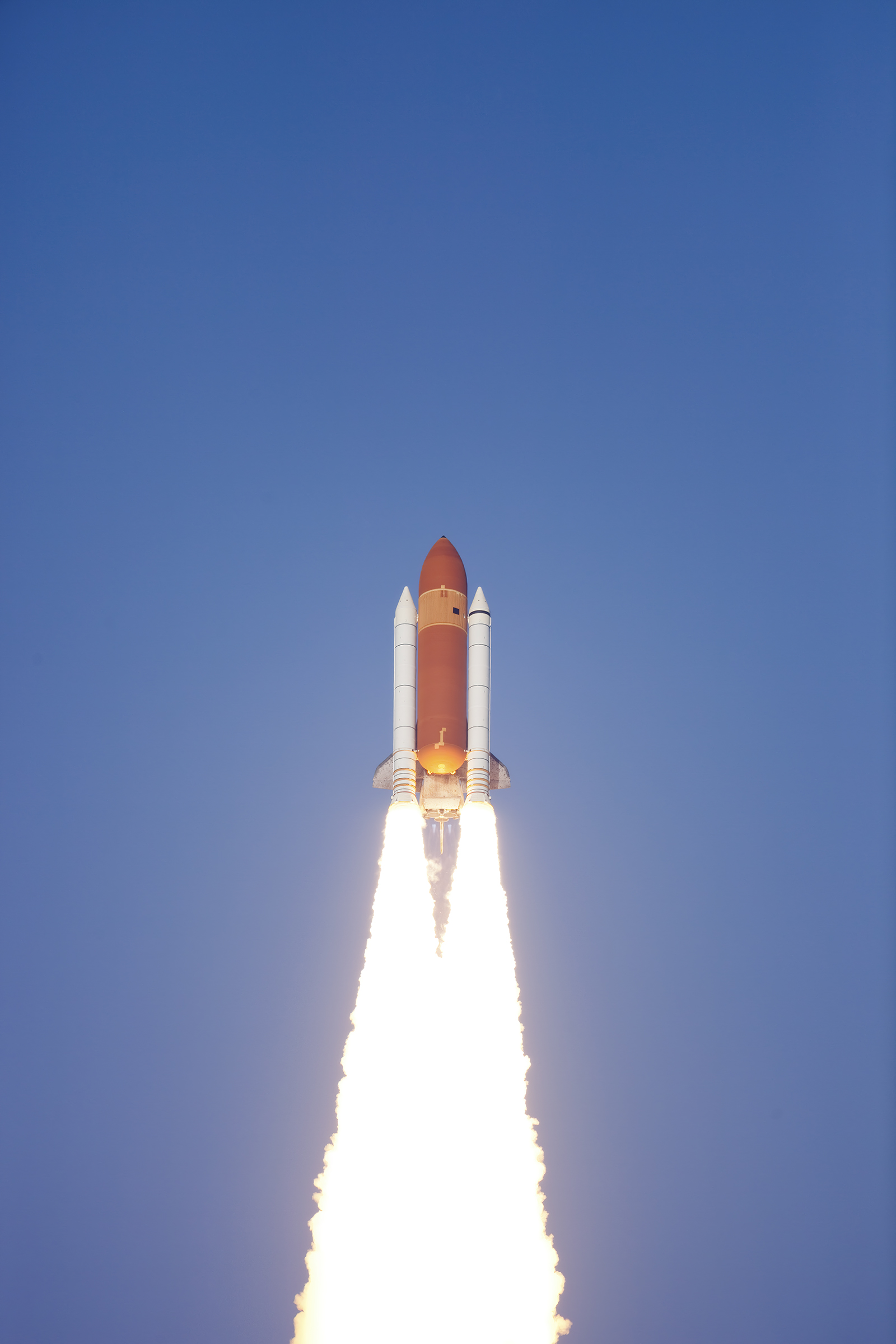
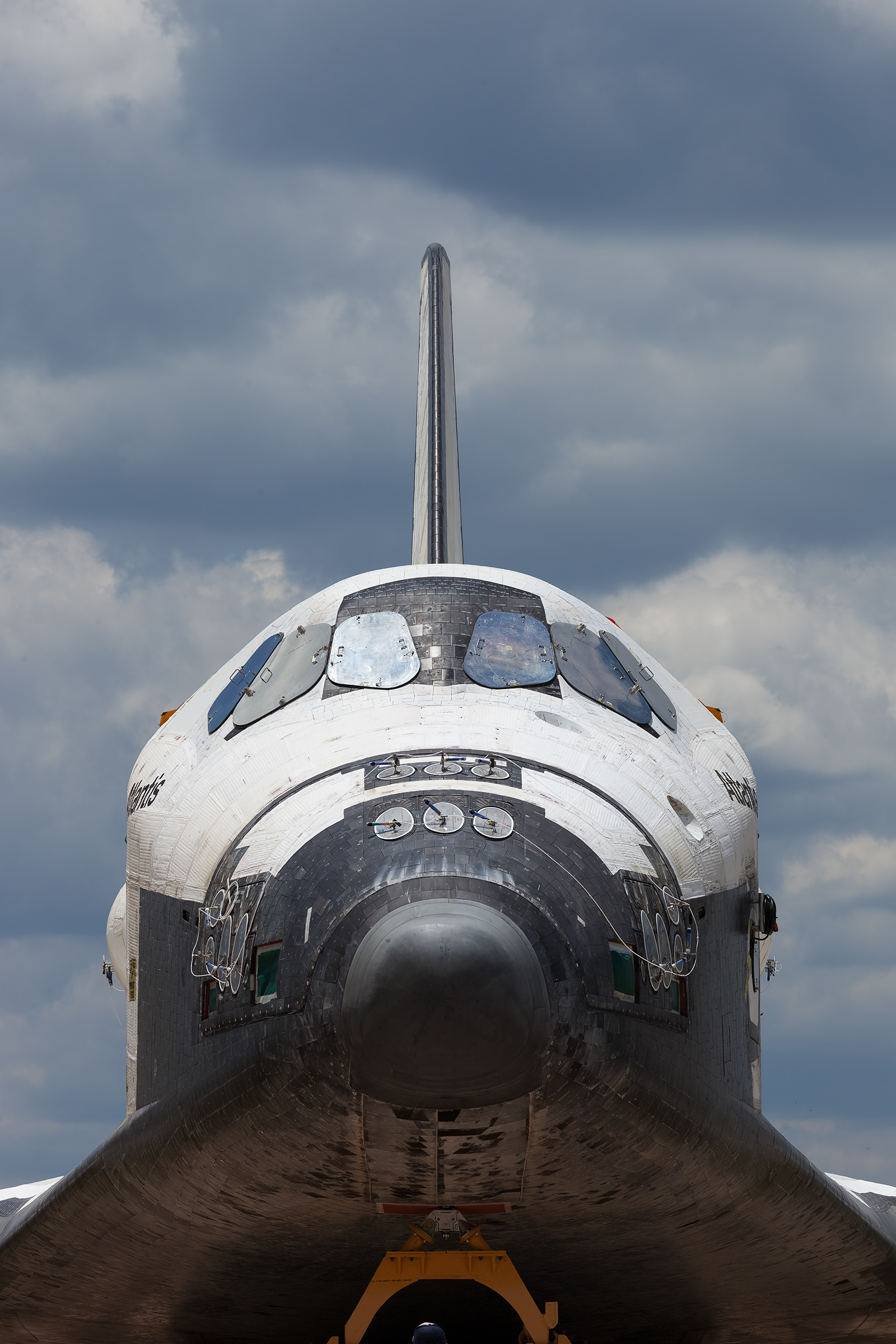
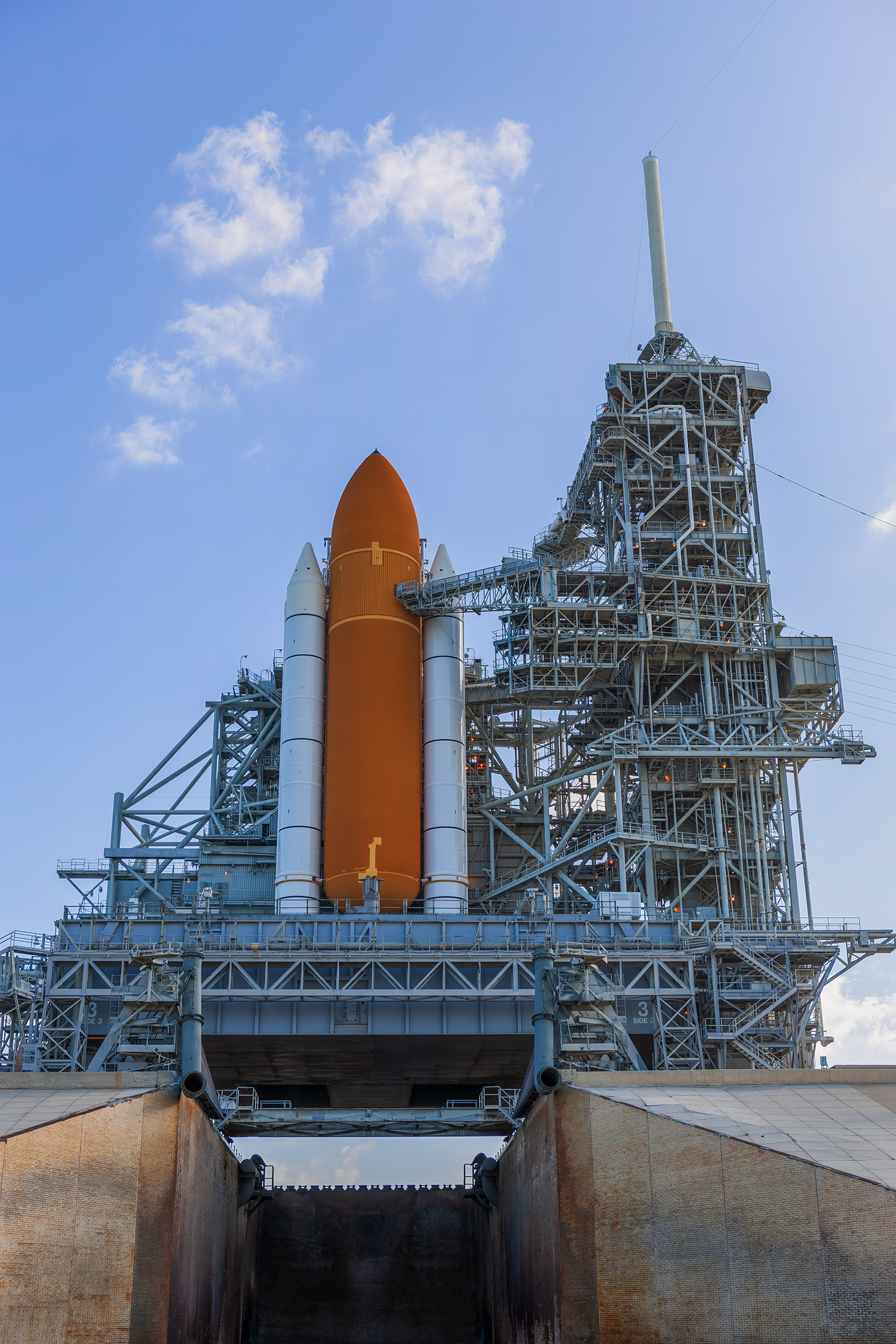
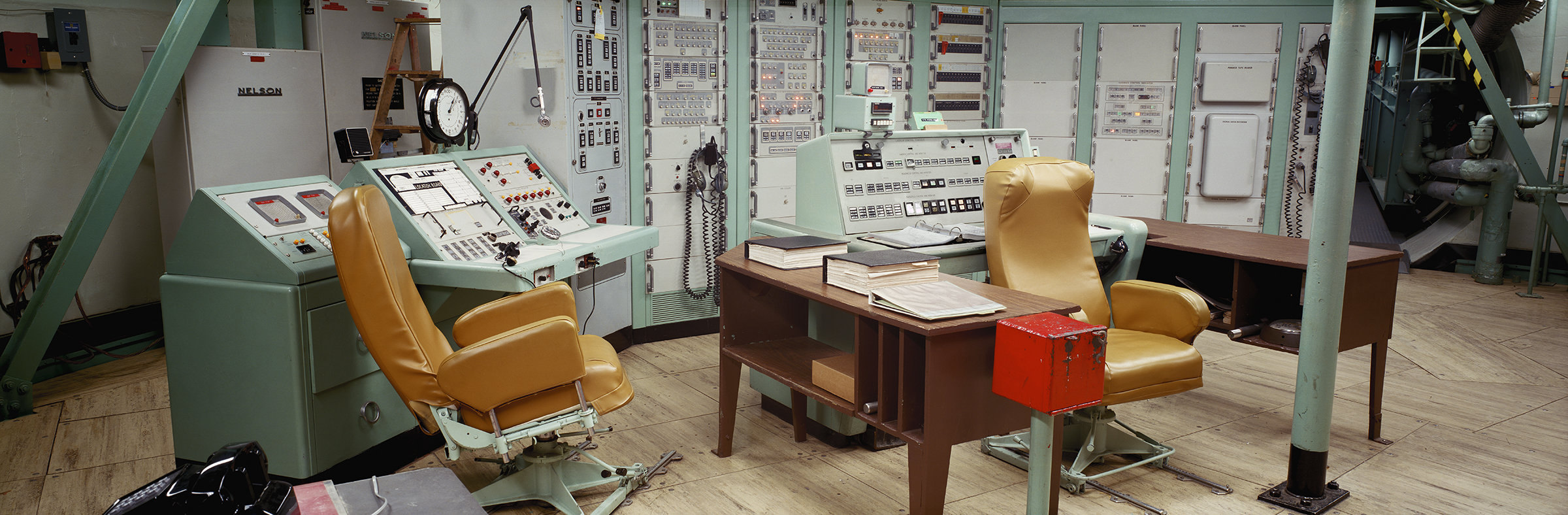
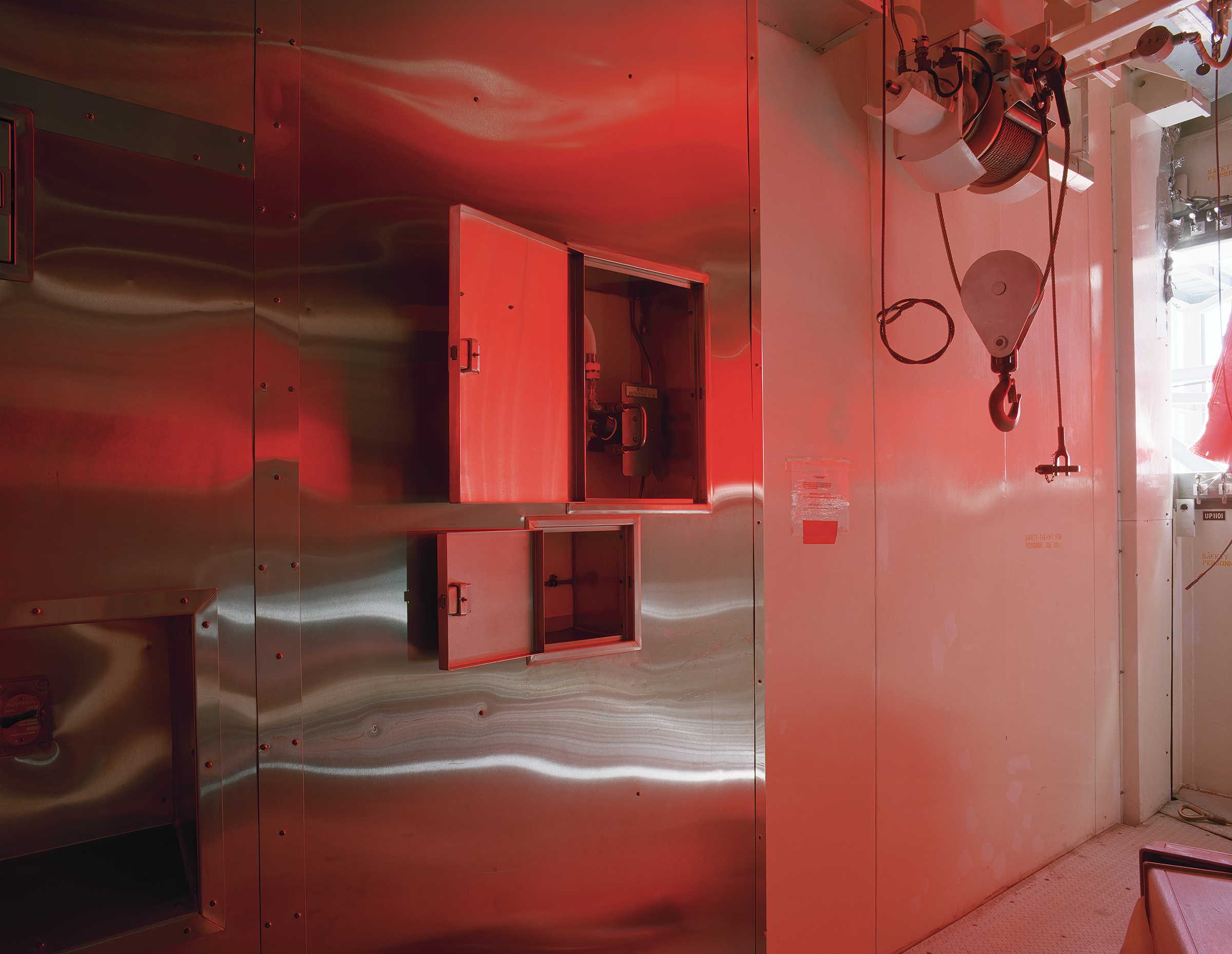
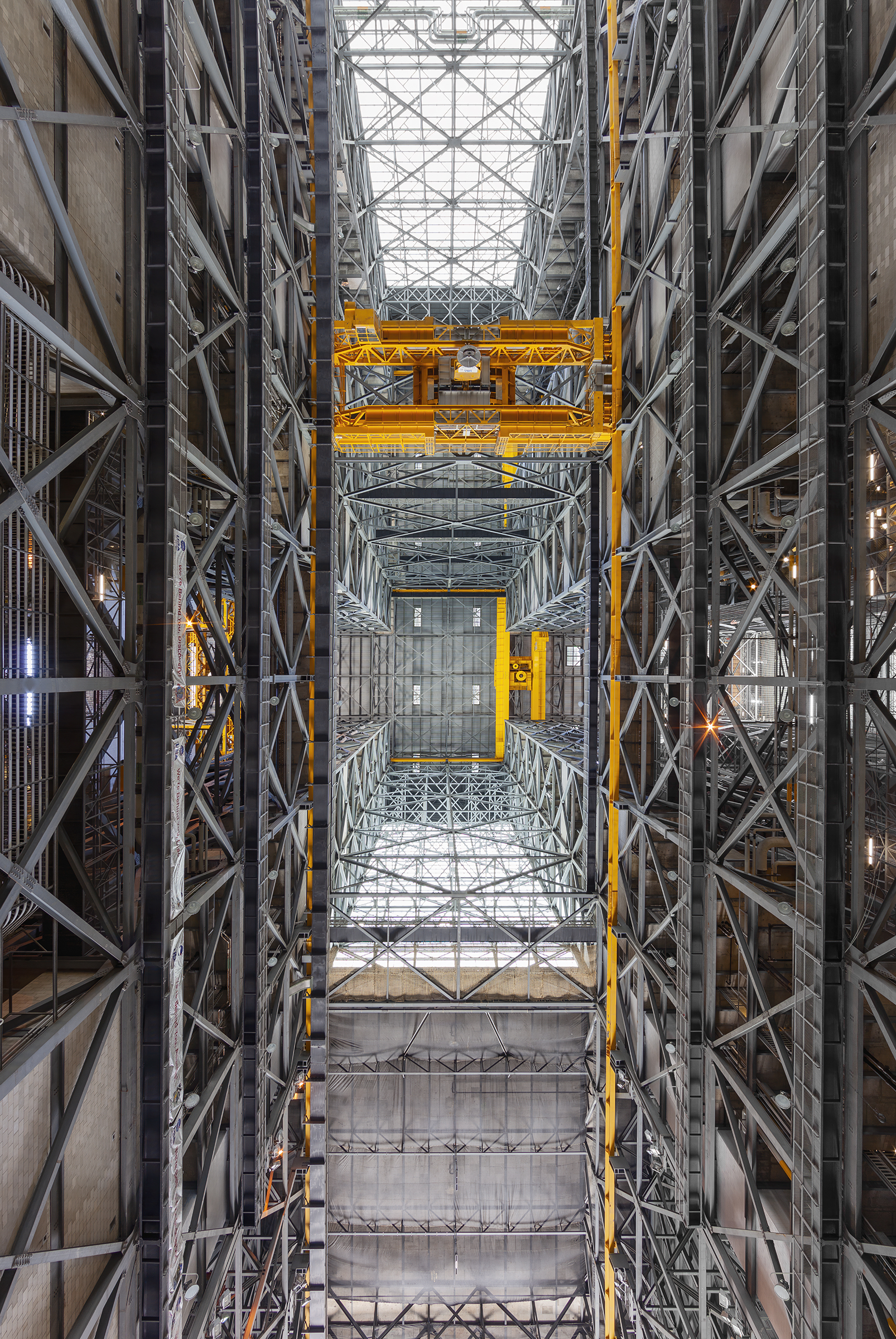
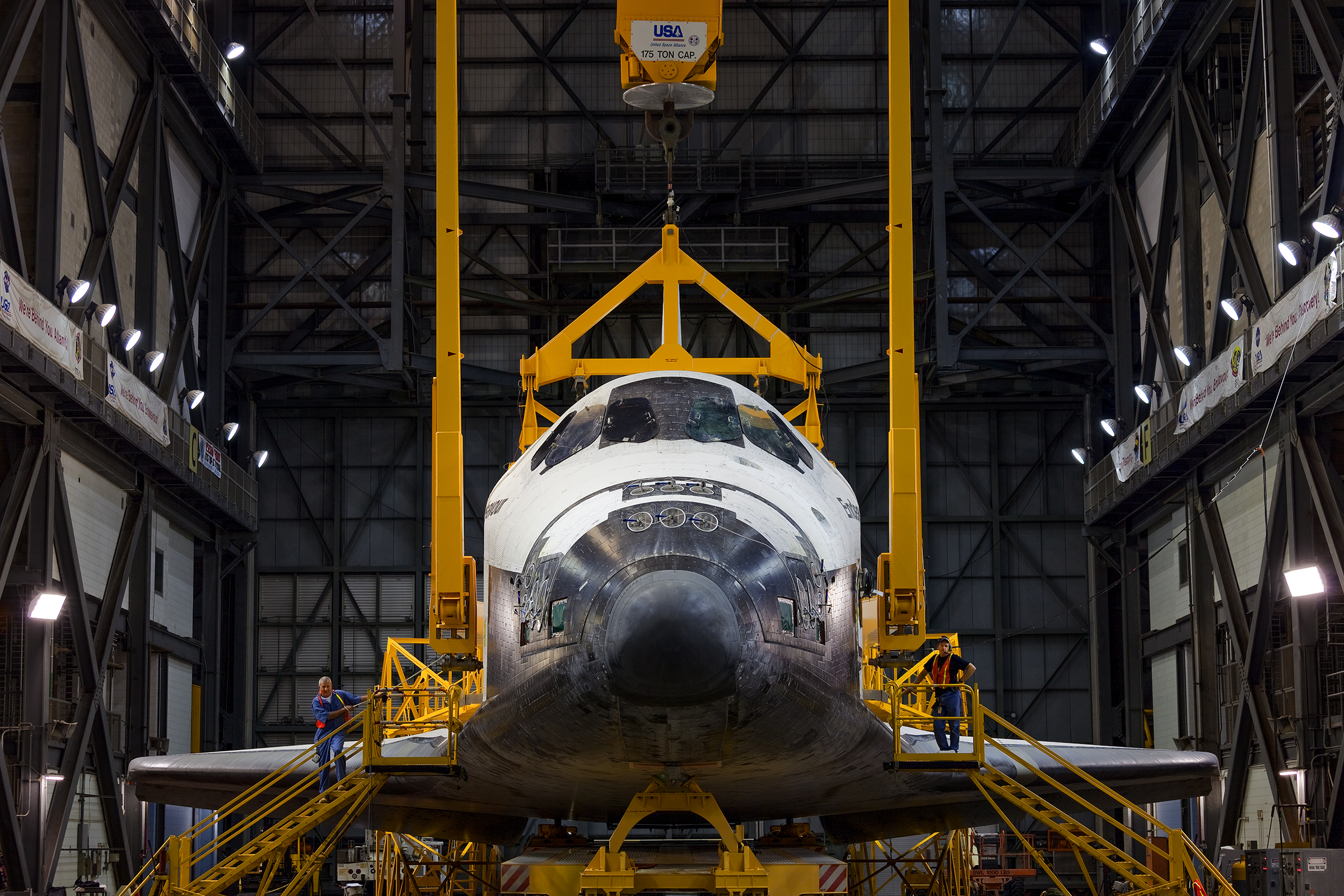
Miller has been photographing and interpreting the United States’ space program for more than 35 years. Miller’s series, Abandoned in Place, documents the remains of early space launch and research facilities across the country. Abandoned in Place is a unique body of work that records the technology and facilities used in one of the 20th century’s greatest adventures. The University of New Mexico Press published the work as Abandoned in Place: Preserving America’s Space History in 2016. The book features a foreword by Dr. Roger D. Launius, former director of collections and curatorial affairs at the Smithsonian National Air and Space Museum. It also includes essays by space journalist Craig Covault; art historian Dr. Betsy Fahlman; space archaeologist Dr. Beth O’Leary; and astronaut, Space Shuttle commander, and former deputy administrator of NASA, Pamela Melroy.
.png)


.jpg)
.jpg)
.jpg)
.jpg)
.jpg)
.jpg)
.jpg)
.jpg)
.jpg)
.jpg)
.jpg)
.jpeg)
.jpeg)
.jpeg)
.jpg)
.jpeg)
.jpg)
.jpg)
.jpg)
.jpg)

.jpg)
.jpg)
.png)
.JPG)
.jpg)
.jpg)
.JPG)

.jpg)
.jpg)
.jpg)
.jpg)
.jpg)
.jpg)
.jpg)
.jpg)
.jpg)
.jpg)
.jpg)
.jpg)
.jpg)
 .jpg)
.jpg)
.jpg)
.jpg)
.jpg)
.jpg)
.jpg)