[ B i o ] [ W o r k s ]
[ B I O G R A P H Y ]
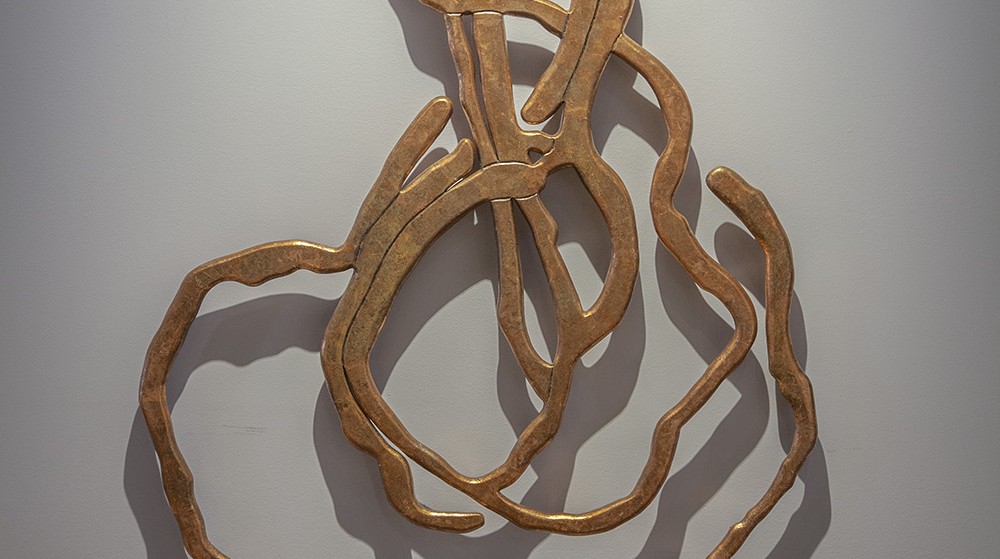
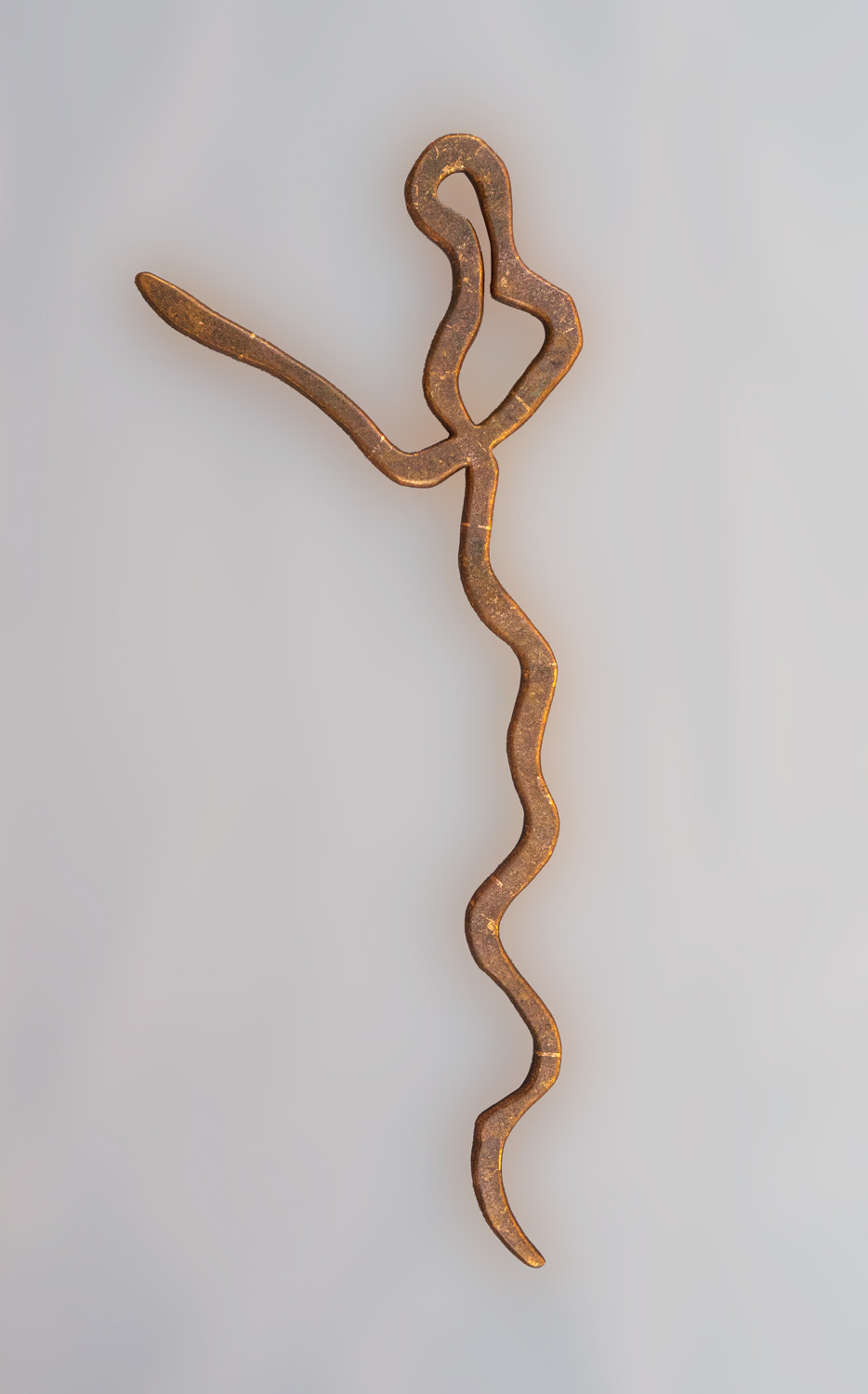
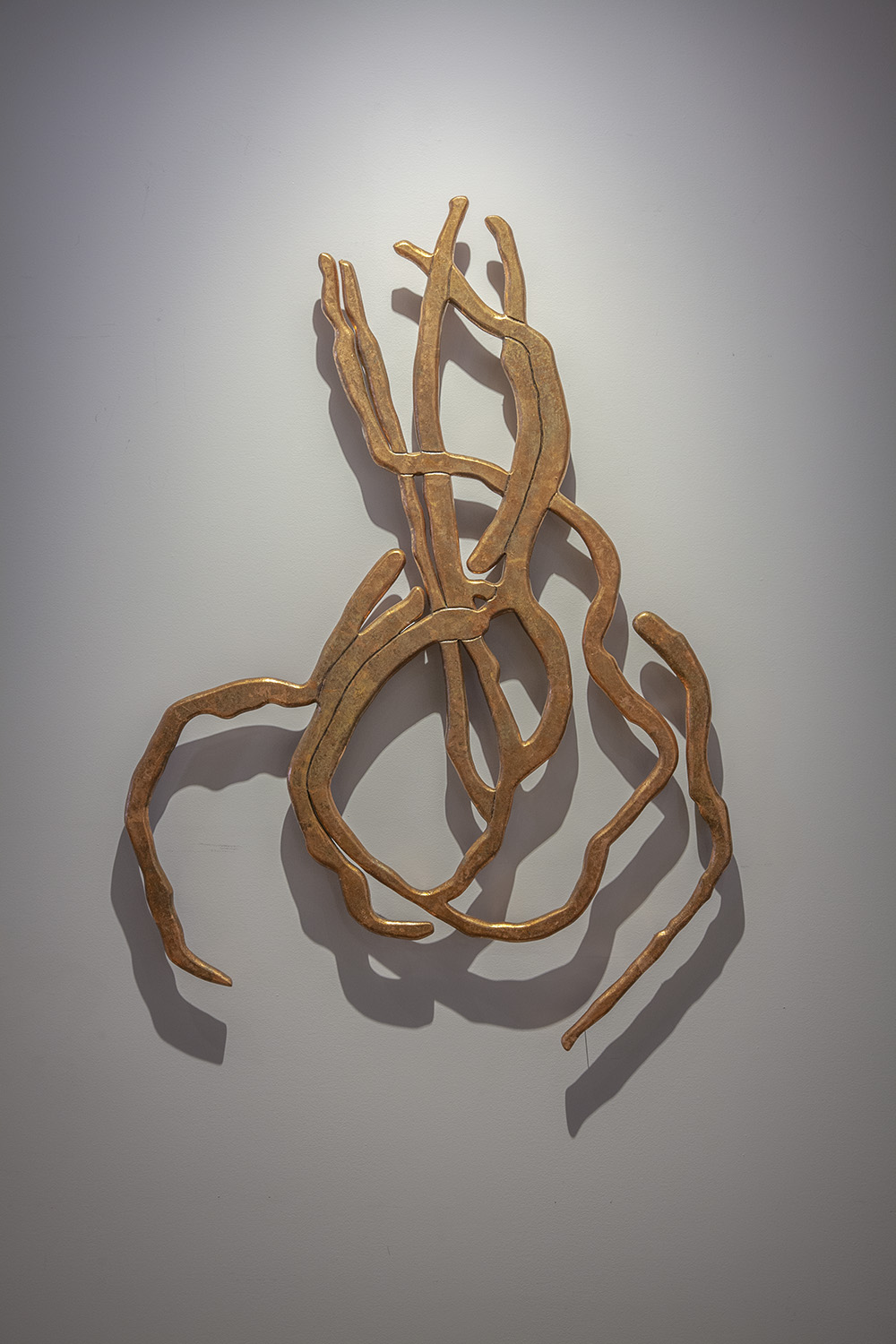
Jim Frazer studied painting with Fairfield Porter while an undergraduate at Amherst College, after which he studied photography with John McWilliams while in graduate school at Georgia State University in Atlanta. With colleagues from Georgia State, he helped to start Nexus, a non-profit photography gallery that later became The Atlanta Contemporary Art Center. He was the first photographer to have a solo exhibit at Atlanta’s High Museum of Art, and his hand-colored photographs of Southern landscapes were widely collected and exhibited both regionally and nationally. After moving to Salt Lake City in 1999, he branched out from photography to a diverse practice that focuses on mixed media works, collaborative installations and book arts. The Glyph series, though not appearing photographic at first glance, is nevertheless photo based, deriving from images of the mines and galleries created by the activity of wood boring and bark beetles.
[ S T A T E M E N T ]
I’m interested in linear patterns extracted from natural objects and in the meanings that they can be imagined to have. I photographed the tracks of beetles on tree trunks in my local woods. To obtain just the linear essence of the tracks, I traced the forms by hand and digitally. This process of simplification literally “draws out” information, which though present in the photograph, is not obvious.
I see the beetle tracks as characters from an unknown language. In the woods, there are thousands of beetles, in thousands of trees, and each one leaves a trail as different as a fingerprint and as elegant as a royal signature. Each trail is composed of thousands of bites taken over seasons as the larva grows and matures. Unlike the stroke of the calligrapher’s pen, the path literally grows with the insect.
By being displayed in a gallery, objects are deemed worthy of attention. I encourage people to see what they might otherwise overlook. To do this, I present the forms as artifacts -- created objects brought to light -- but whose significance must be discovered. Through my investigations, I’ve become aware of the relationship between the beetles and climate change, and I help others to become aware through viewing my work.
.png)